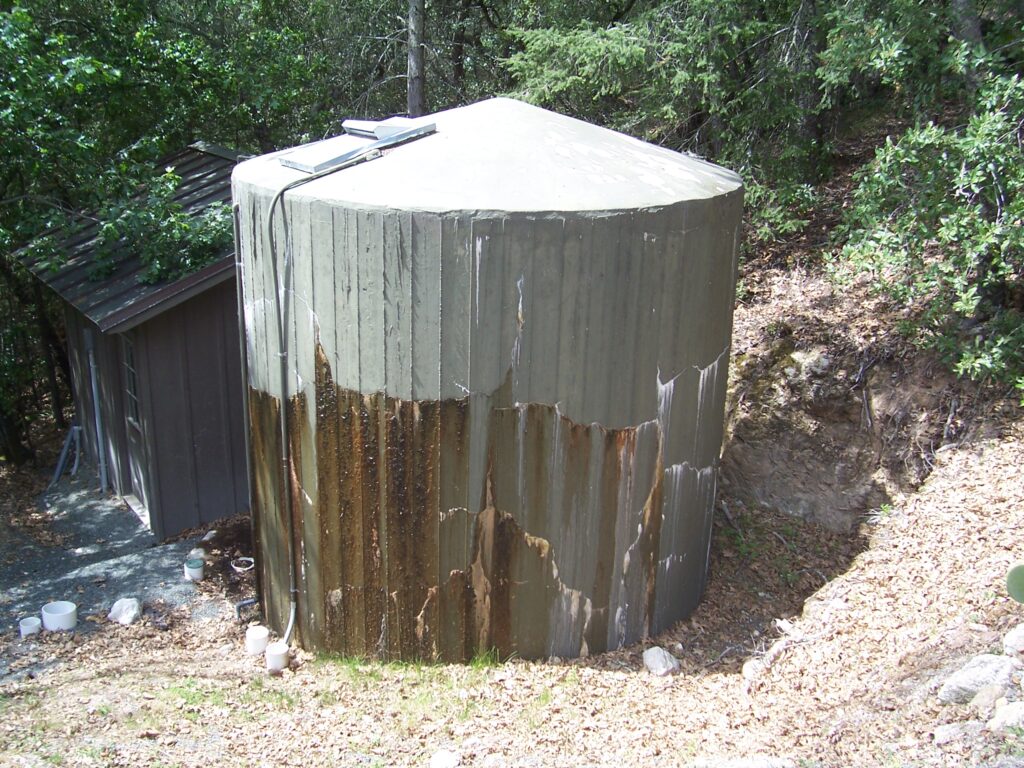
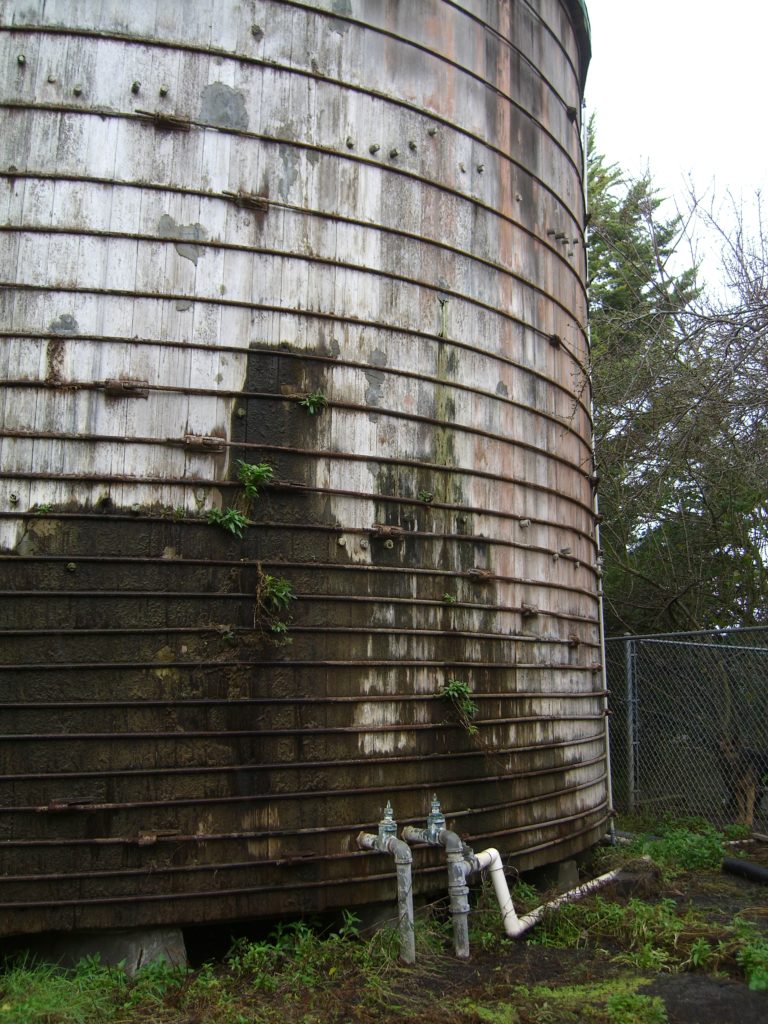
Tanks are used for various purposes, including storage of water, fuel, and chemicals. However, over time, tanks may experience wear and tear that can lead to leaks, cracks, and other issues. When faced with a damaged tank, property owners must decide: should they repair the tank or replace it altogether? Or is there another affordable solution?
Damaged tanks can be a big issue and an especially serious issue for industries that rely on them for storing high-volume liquids or gases. Leaks and cracks can lead to product loss, environmental damage, and costly repairs. However, instead of replacing the entire tank, dropping in a liner can be a more beneficial and cost-effective solution. Liners can be made from various materials such as PVC and various types of high-grade polyurethane, and are designed to fit snugly inside the tank, creating a barrier between the stored product and the damaged tank walls.
There are pros and cons to either option, and the decision will ultimately depend on a variety of factors, including the size and type of tank, the extent of the damage, and the property owner’s budget and timeline
Damaged tanks: Are there other alternatives?
One of the main benefits of using a liner is that it can extend the life of the damaged tank. Liners are designed to be durable and resistant to chemicals, abrasion, and temperature changes, providing a long-lasting solution to tank damage. Additionally, liners can be customized to fit any size or shape of the tank, meaning that tanks of any age or design can be repaired with this method. This can save companies a significant amount of money, as replacing a damaged tank can be a costly endeavor.
Dropping in a liner can be a quicker solution than replacing a damaged tank. Liners can be installed in a matter of days, depending on the size of the tank, whereas replacing a tank can take weeks or even months. This means that industries can quickly resume their operations without experiencing prolonged downtime. Overall, using a liner to repair a damaged tank can be a cost-effective, durable, and efficient solution that benefits both the environment and the bottom line of a business.
When to replace a tank
Repairing a tank is not always the best choice. Depending on the extent of the damage, repairing a tank may only be a temporary fix, and the tank may experience additional issues down the line. Additionally, depending on the size of the tank and the nature of the damage, permits may be required to complete the repairs, which can add time and cost to the process. The tank may require excavation and removal of the old tank, which can be time-consuming and expensive. Additionally, the sentimental or historical value may be attached to certain types of tanks, such as Redwood tanks, which may make it difficult to justify replacement. Yes, replacing a tank may be necessary if the existing tank no longer meets local regulations or safety standards.
However, replacing a damaged tank may be the best option, especially if the tank is older, larger, or structurally compromised. By replacing the tank, property owners can ensure they have a new, fully functional tank that is less likely to experience issues in the future.
Depending on the type and size of the tank, permits may be required to complete the replacement process, which can add time and cost to the project.
What to consider when a tank needs maintenance
Size of the tanks
The size of the tank is a key factor in determining whether to repair or replace it. In general, tanks that are smaller than 3,000 gallons are more cost-effective to replace than to repair, as the cost of repairs may outweigh the cost of replacement. Additionally, smaller tanks may not have the structural integrity to withstand repairs and may be more prone to additional damage down the line.
Permits
Depending on the size and location of the tank, permits may be required to complete repairs or replacements. Property owners should check with their local authorities to determine what permits are required and what the process will entail.
Structural Integrity
The structural integrity of the tank is also an important consideration. If the tank has extensive damage or is structurally compromised, repairs may not be possible or may only be a temporary fix. In these cases, replacing the tank may be necessary to ensure its safety and longevity of the tank.
Cost and Timeline
Finally, property owners must consider their budget and timeline when deciding whether to repair or replace a damaged tank. While repairing a tank may be less expensive in the short term, it may not be the most cost-effective option in the long run. Similarly, while replacing a tank may be necessary for safety or regulatory reasons, it may not be feasible for property owners with limited budgets or tight timelines.
Need expert advice? Give us a call.